Find Reliable Rodent Control Lakeshore Services for Mice and Rats
Find Reliable Rodent Control Lakeshore Services for Mice and Rats
Blog Article
A rodent problem seldom remains in one area of a property. Mice can move through wall voids, cupboards, attics, basements, garages, and crawl spaces. Rats may get inside through structural gaps near foundations, doors, vents, and utility lines. Once inside, they seek food, water, warmth, and shelter.
Professional Rodent Control Lakeshore services target the cause of the problem, not only the rodents you happen to see. A proper service may include a property inspection, rodent identification, rodent exclusion, targeted treatment, sanitation advice, and follow-up monitoring. The goal is to remove current activity and reduce the chance of recurring activity.
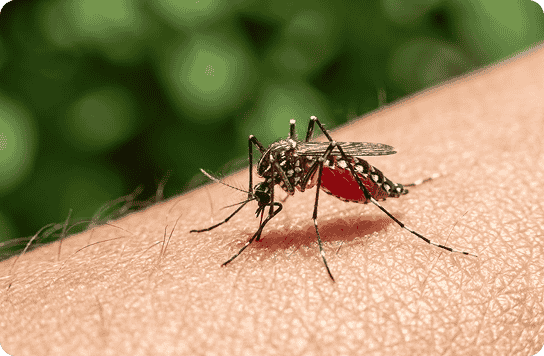
Mosquito Man is one factual example of a business name property owners may encounter while researching pest control services. Ask any provider what the visit includes, which areas will be inspected, how treatment products will be secured, and what follow-up support is available.
Why Professional Rodent Control Matters
A rodent infestation can begin with a single mice or rat entering through a gap only a few centimetres wide. Mice reproduce quickly, while rats can damage construction materials, wiring, insulation, stored goods, and plumbing components. Waiting for clear evidence of a large population often allows the problem to spread.
Rodents create different hazards:
- Food contamination: Rodents can contaminate food and food-contact surfaces with droppings, urine, fur, and nesting material.
- Damage to property: Gnawing may affect electrical wiring, drywall, insulation, packaging, and wooden components.
- Health risks: Rodent waste and contaminated dust may contribute to health concerns when handled or disturbed without suitable precautions.
- Noise and disturbance: Activity in walls, ceilings, or duct areas can affect sleep and make a property difficult to use.
DIY mouse control or rat control may work for a small, isolated issue, but it often misses hidden entry points and nesting areas. A professional assessment can identify how rodents enter, where they travel, and what conditions support them. That information helps direct rodent removal instead of relying on random trap placement.

Frequent Signs of Mouse and Rat Activity
Rodents are usually active at night, so you may find clues before you see an animal. A single sign does not always prove an active infestation, but several signs in the same area require prompt attention.
- Rodent droppings: Mouse droppings are usually tiny and tapered at one or both ends. Rat droppings are larger and may appear near food storage, walls, appliances, or nesting areas. Do not brush away or vacuum suspected droppings before getting safe cleaning advice.
- Bite marks: Fresh gnaw marks may appear on food packaging, wood, plastic, insulation, wiring, or pipes. New marks often look lighter than the surrounding material.
- Scratching noises: Scratching, squeaking, or movement in a wall, ceiling, attic, basement, or crawl space can signal activity. Sound alone cannot confirm the species or location.
- Greasy stains: Rodents often run along walls. Their bodies may leave dark, greasy smears on baseboards, pipes, corners, and other repeated travel routes.
Other clues include shredded paper, nesting material, stale odours, damaged insulation, urine stains, and a sudden loss of stored food. Check behind appliances, inside cabinets, around garage doors, and near plumbing penetrations. A home inspection should also include less visible areas where activity can go on unnoticed.
Our Rodent Removal Process
A trusted service follows a defined sequence. The technician first records information about sightings, sounds, droppings, odours, and past treatment. The property inspection then checks accessible interior and exterior areas. Findings guide rodent identification, exclusion work, control treatment, and follow-up monitoring.
Every property has unique conditions. A detached home, apartment, food-handling space, and commercial property may require specific access points, treatment methods, and communication. A professional should outline the proposed work before it begins.
Inspection and Access-Point Detection
The inspection looks for entry points where mice and rats can get inside or move between areas. Common locations include foundation cracks, gaps around pipes and cables, damaged vents, roofline openings, garage doors, window frames, and gaps beneath exterior doors.
Technicians may also check wall voids, attic insulation, basement utility areas, crawl space openings, and the space behind appliances. A small gap may lead to a much larger concealed route. Droppings, rub marks, nesting material, and damaged insulation can help show where rodents are passing through.
Ask for a written inspection report or plain spoken summary of findings. It should separate active signs from conditions that may support future activity. The report may also identify sanitation concerns, water sources, clutter, and structural gaps that need attention.
Mice and Rat Access Blocking
Rodent exclusion blocks access after likely routes have been identified. The work may include closing gaps around pipes, repairing damaged vent covers, closing foundation cracks, and securing openings try this website around doors and utility penetrations.
Practical exclusion materials and measures include:
- Blocking openings: Durable materials should fit the size and location of the opening. Soft fillers alone may not withstand gnawing.
- Door sweeps: A properly fitted sweep reduces the gap beneath exterior doors and garage access doors.
- Mesh guards: Metal mesh can help protect vents and other openings while allowing required airflow.
- Weatherstripping: Worn weatherstripping around doors and windows should be replaced where it leaves a visible gap.
Rodent-proofing is more effective when it covers the full property rather than one obvious hole. Exclusion does not replace treatment when rodents are already inside. Sealing an active route without considering trapped animals, alternate paths, or nesting areas can create new problems.
Traps, Bait Stations, and Monitoring
Control treatment should reflect the rodent species, level of activity, property layout, and safety requirements. Traps may be appropriate in accessible areas where a technician can set and check them correctly. Snap traps are one potential method, but placement matters. Rodents often avoid objects placed directly in open areas and follow routes beside walls or stored materials.
Bait stations may be used when other methods do not provide enough control. They must be placed and secured according to product instructions. Bait stations should remain inaccessible to children, pets, and non-target animals. A technician should explain the product category, placement approach, inspection schedule, and any precautions.
Rodent control products are not a substitute for exclusion and sanitation. A treatment plan may combine traps, bait stations, repairs, waste reduction, and access changes. Monitoring stations can help show whether activity remains after the initial service. Signs of feeding, disturbance, or new droppings can guide the next step.
Follow-up monitoring matters because rodents may remain hidden, travel between units, or use more than one route. The schedule is based on the property and the level of activity. Keep records of sightings and avoid moving traps or stations unless the technician gives you permission.
Steps to Reduce Rodents Around Your Property
Rodent prevention starts by cutting off access to food, water, and hiding places. Minor changes around your property can help significantly when they are maintained.
- Food storage: Keep dry goods, pet food, birdseed, and treats in secure containers. Clean spilled food and crumbs right away. Do not leave pet food out overnight.
- Garbage control: Choose bins with secure lids. Clean your waste containers and avoid storing loose bags beside outside walls or entry doors.
- Reducing clutter: Reduce stacked cardboard, papers, textiles, and spare materials in garages, basements, sheds, and storage spaces. Rodents prefer covered nesting areas.
- Maintaining your landscape: Keep vegetation, firewood, and dense ground cover clear of the building where you can. Prune vegetation that grows against walls or conceals the foundation.
Examine the condition of screens, door sweeps, foundation surfaces, roof vents, and service openings twice a year. Seal building gaps before cold weather, when rodents often move inside for protection. Clean conditions supports rodent prevention, but it cannot correct a damaged vent or open foundation crack on its own.
Are Rodent Treatments Appropriate for Families and Animals?
Rodent treatments can be organized around household and pet safety when a certified pest control technician selects and places products properly. Safety depends on the product, placement, amount, property conditions, and whether occupants understand and follow preparation and re-entry instructions.
Integrated pest management is the preferred framework for many rodent situations. It brings together inspection, exclusion, sanitation, trapping, monitoring, and carefully selected products. This approach reduces dependence on one control method and addresses the conditions that allow activity to continue.
Question the technician:
- Which treatment methods will be used?
- Where will traps or bait stations be placed?
- How will the safety of children and pets?
- Do occupants need to vacate the property during service?
- What cleaning and re-entry instructions apply?
Never touch loose bait, dead rodents, or contaminated nesting material without suitable guidance and protective equipment. Keep children and pets away from work areas. A professional application should include clear instructions, secure placement, and a way to share concerns after the visit.
When to Arrange Rodent Control
Arrange service right after you notice multiple warning signs. Quick treatment may help prevent property damage and lower the number of areas that require treatment. Do not wait for a rodent to appear in a living area. Activity in a garage, attic, basement, or crawl space can continue for weeks without a direct sighting.
Seasonal rodent activity often rises when outdoor temperatures fall or when construction, landscaping, and weather disrupt established shelter. However, rodents can enter at any time if food, water, and openings are available.
Ongoing infestations call for a deeper review. Repeated sightings after trapping may indicate open access points, neighbouring activity within a shared structure, accessible food, or a concealed nest. A follow-up inspection can confirm whether the original treatment addressed the cause.
Emergency pest control may be appropriate when rodents affect a food-handling area, damage electrical wiring, enter a healthcare or childcare setting, or create an immediate sanitation concern. Report the signs clearly when booking so the provider can set a suitable response time.
Choosing a Rodent Control Company
Choose a company that explains its process before requesting you to approve treatment. A licensed technician should check the property, identify likely species, discuss risks, and provide practical next steps. Ask whether the person performing the work is a licensed pest control technician and whether the company follows applicable product and safety requirements.
A useful service should cover and explain:
- Property inspection report: This should list observed signs, likely entry points, affected areas, and conditions that encourage rodents.
- Treatment plan: The plan should explain whether it includes traps, bait stations, exclusion repairs, sanitation advice, monitoring, or return visits.
- Service warranty: Ask what the service guarantee includes, how long it remains valid, and whether follow-up visits have restrictions or conditions.
- Cost details: Request the price for the initial visit and ask about charges for repairs, additional treatment areas, monitoring, or return service.
Price alone does not tell you whether a treatment will solve the problem. A low initial quote may not include exclusion, attic or crawl space access, sanitation advice, or follow-up monitoring. Review the scope of service, not only the first number you hear.
Before booking, mention pets, children, tenants, food storage, sensitive occupants, and any previous products used. This information helps the provider design a safe treatment and avoid needless duplication.
Frequently Asked Questions
How can I prevent rodents around my Lakeshore home?
Store food and pet supplies in sealed containers, keep garbage in closed bins, remove clutter, and repair entry points around doors, vents, utility lines, and foundation cracks. Keep vegetation and stored materials from creating sheltered routes beside the building. If you continue to find droppings or gnaw marks, schedule a professional property inspection for targeted rodent prevention.
What signs of rodents should Lakeshore residents look for?
Look for rodent droppings, gnaw marks, scratching noises, grease marks, damaged food packaging, nesting material, and unusual odours. Examine walls, ceilings, attics, basements, garages, crawl spaces, and areas behind appliances. Multiple signs in one location can point to active rodent activity and warrant a professional assessment.
When is the best time to schedule rodent control in Lakeshore?
Arrange rodent control as soon as you notice evidence. Prompt action can limit the chance of property damage, food contamination, and recurring activity. Seasonal rodent activity may rise when temperatures fall, but mice and rats can enter throughout the year. Arrange emergency pest control promptly if rodents affect food storage, wiring, or a sensitive occupied area.
Can rodent control treatments be safe for pets and children?
They can be safe when a licensed pest control technician selects suitable methods, follows label directions, secures bait stations, and provides clear instructions. Confirm child safety, pet safety, re-entry times, and the location of all traps or products. Ensure children and pets away from treatment areas and never handle loose bait or contaminated material without professional guidance.
What does rodent control cost in Lakeshore?
Service cost depends on the property size, species, activity level, number of entry points, access to areas such as an attic or crawl space, required exclusion repairs, treatment methods, and follow-up monitoring. Get an itemized quote that separates the inspection, treatment, repairs, and return visits. This gives you a better comparison between pest control services and helps reduce unexpected charges.
Report this page